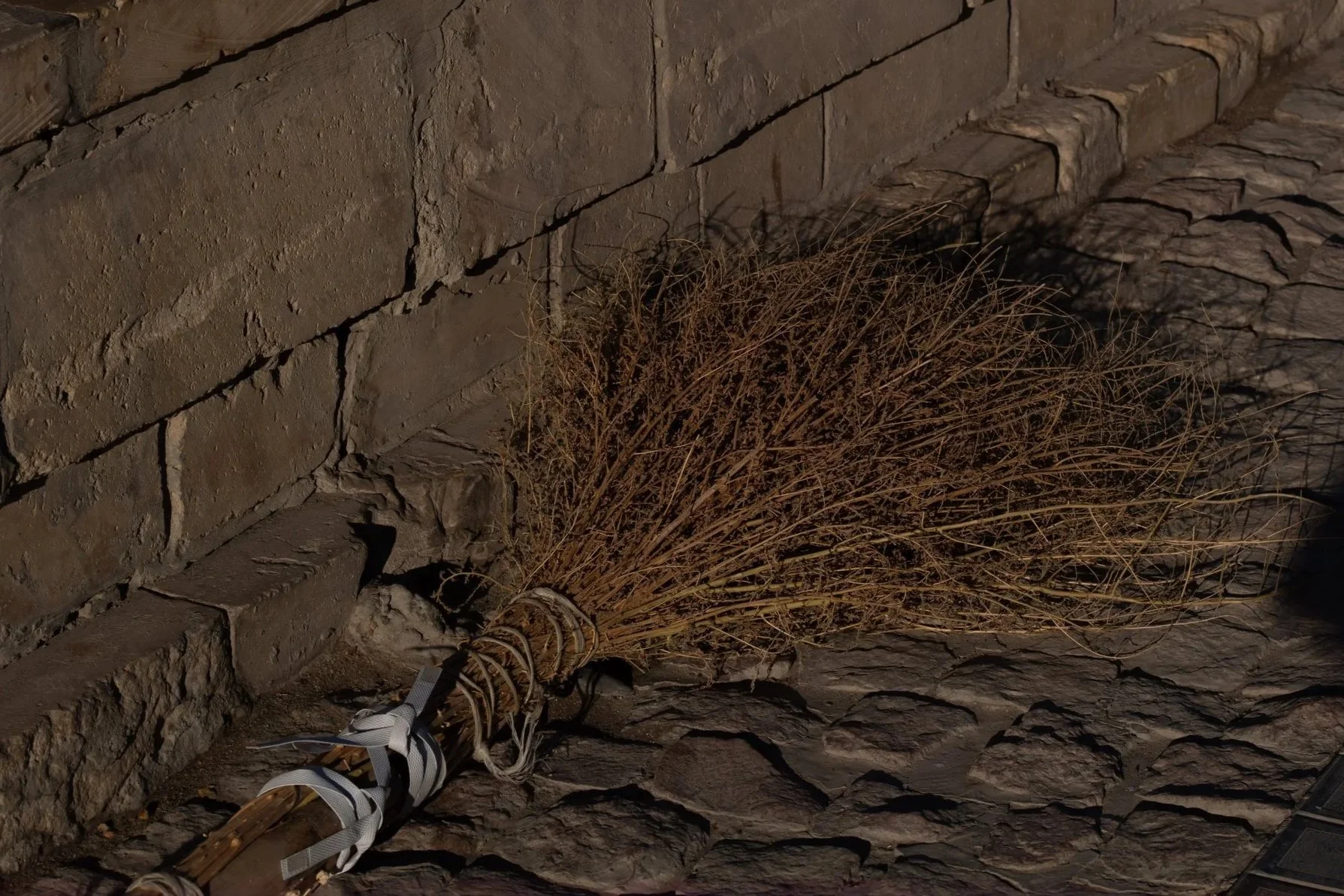
On Brooms
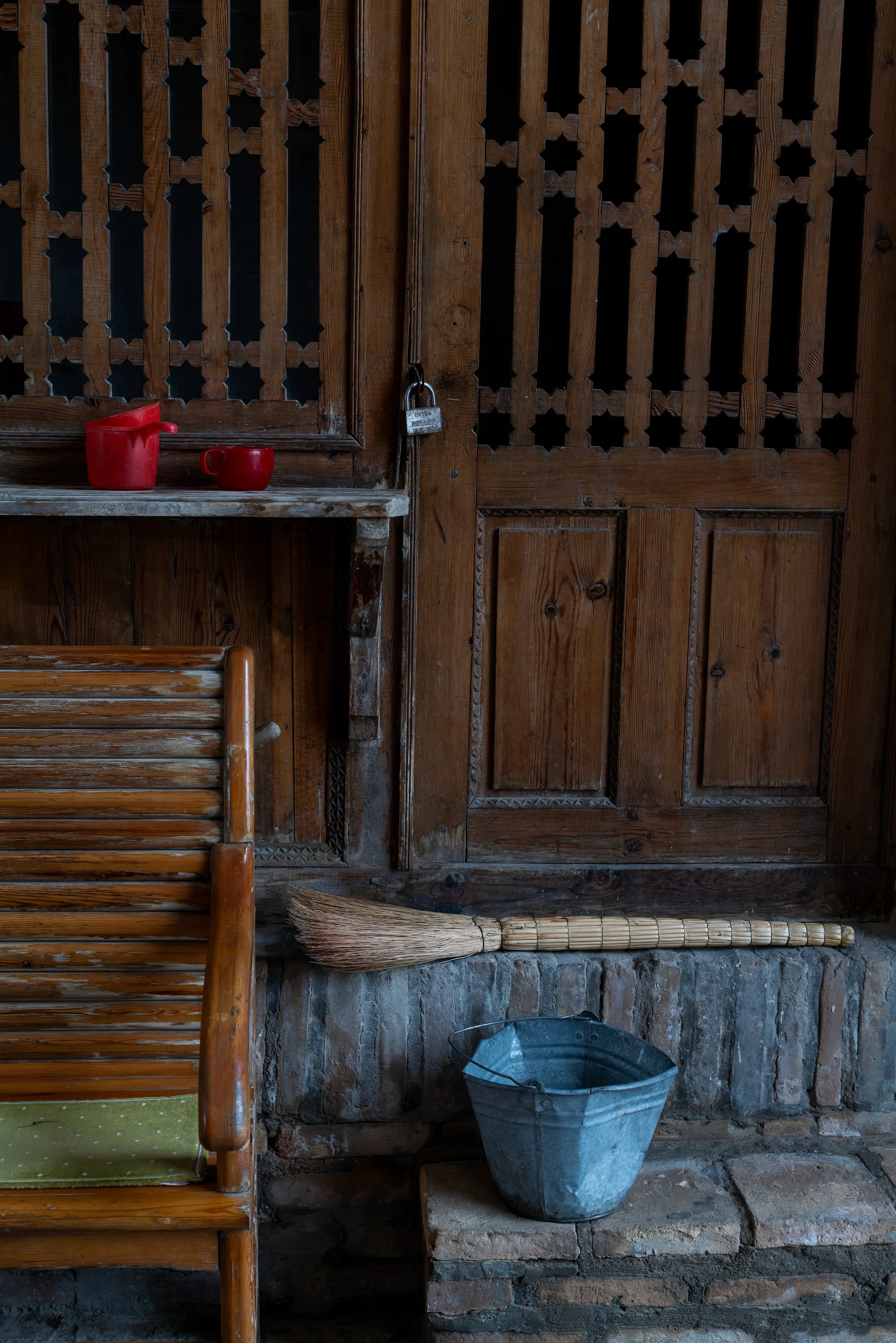
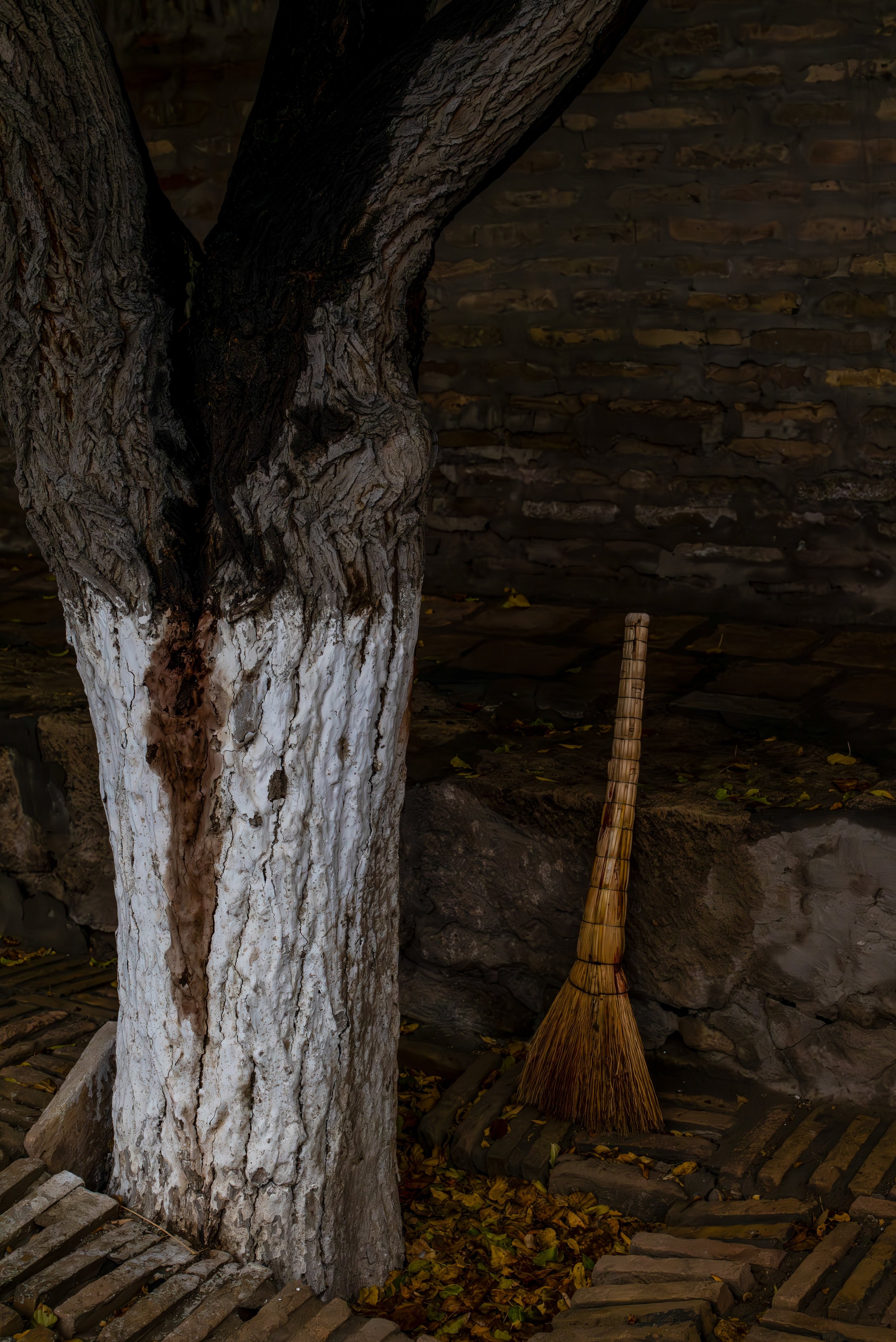
“I will also make it a possession for the porcupine, And marshes of muddy water: I will sweep it with the broom of destruction”, says the Lord of hosts.
The broom is a harmonious thing, the head, rope and tail bound to serve a common goal. Through the broom, acts of care and creation, within these grand narratives, expose our vulnerabilities and our inescapable corporeality. Though made romantic and sublime as they undergo a crafting process, brooms exist to elevate our base materiality and thus never absolutely escape their functional capacity. The very thing that cuts off the object from its materiality is the thing that brings it to life. We are made ordered and whole through the mundane.
Prosaically, brooms clean, and dirt is matter out of place. Like the broom, dirt has many significations. Dirt is the impure, that which affronts order and rightness, so that wrangling with pollution, contamination (or evil) is one of the preeminent systematising principles of society. And culture, since addressing disorder is a very human way of controlling the environment – of making sense of the causes of fear and anxiety, and establishing the ritual practices that bind communities around familiar acts of attracting fortune, safety, sustenance.
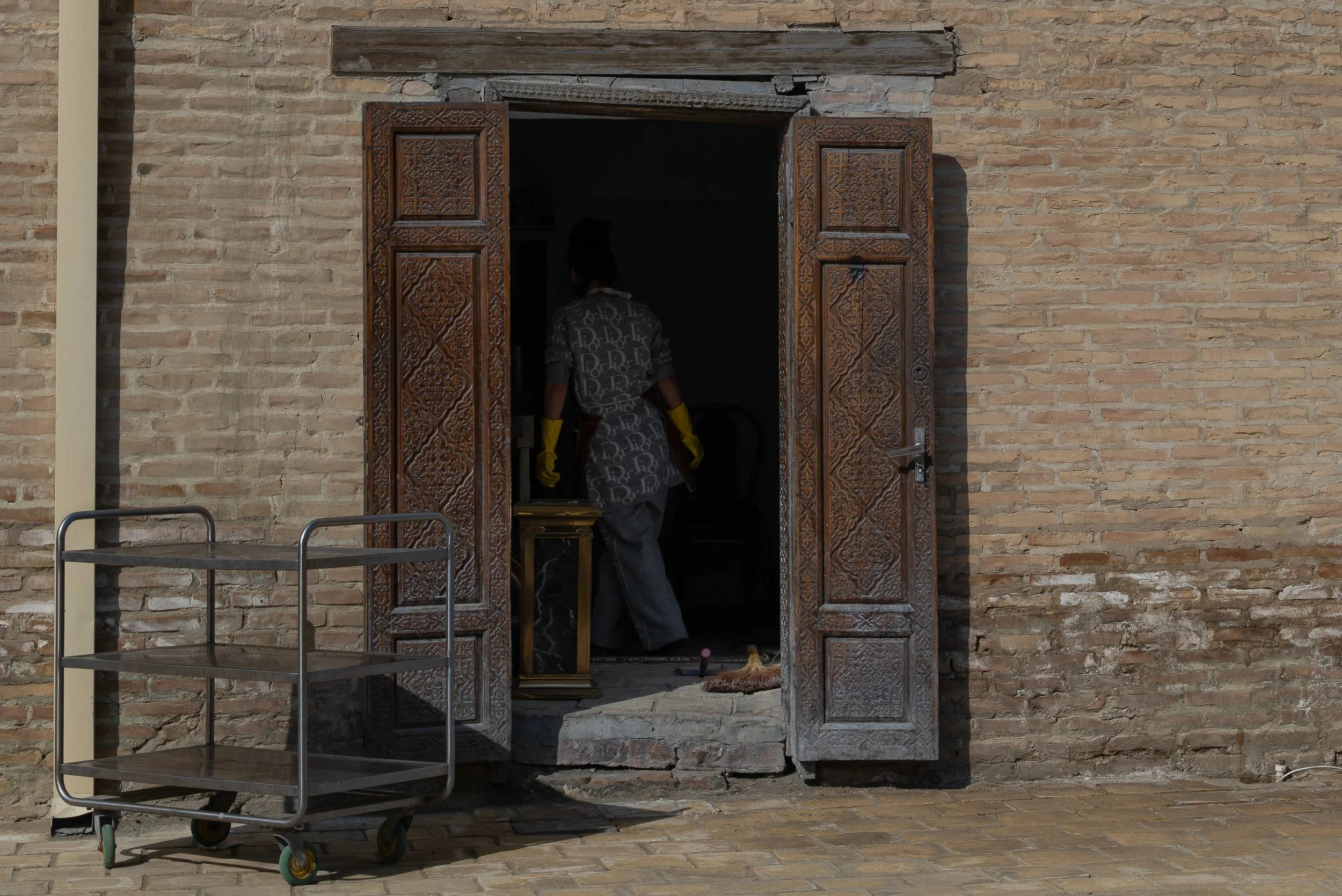
The provision of care by members of a group one another by reason of the bonds that exist among them, not least of which is love, gives society a support without which the common good cannot be achieved. Acts of Creation is an interpretation of this theme, whereby the broom and the gestures of cleaning symbolise something beyond the acts of cleaning. Acts of nurturing and constancy within these narratives reveal our shared fragilities, and our need for security. Care work is foundational. This labour, unrecognised, forms the backbone of community and of who we are as persons in our own right.